Typing “insurance agency near me” pulls up a mosaic of stars, snippets, and slick photos. On the surface, it looks simple: pick the one with the highest rating and the nicest storefront. After two decades working with agencies and clients, I can tell you that the best choice rarely sits at the top of a star chart. The right agency understands your risks, advocates during claims, steers you through renewals without surprise hikes, and keeps paperwork light. Stars and reviews can hint at that, but only if you know how to read them.
This guide is about separating signal from noise. You will learn how to interpret reviews for an insurance agency, how to weigh ratings from different platforms, and how to factor in the service you actually need, whether it is car insurance, home insurance, or a complex mix. I will use concrete examples, including what I have seen in places like Hamden, where “insurance agency hamden” searches return a healthy mix of national brands and independent brokers. The aim is practical: help you go from a list of agencies near you to a short list you trust enough to call.
What ratings really measure
A star rating is a composite of many moments. Some are small, like a quick call to fix a mortgagee clause. Some are life altering, like a house fire claim. Most platforms weight all stars as equal, regardless of what prompted them. That is why you should treat ratings as a starting point. The richer story lives in the text, the timing, and the agency’s response.
Two agencies with a 4.6 average can be very different. One might have fifty reviews clustered in the last thirteen months that mention claim help and proactive coverage checks. The other might have a few glowing posts from years ago and a handful of recent three-star notes about slow callbacks. Numbers only matter alongside pattern and context.
The difference between agency reviews and carrier ratings
Clients often mix up agency reviews with carrier performance. Your State Farm agent, for example, represents a well known carrier, and you might search for a State Farm quote because of price or brand. That quote and the policy terms come from the carrier. The advice, local knowledge, and claim shepherding come from the agency or agent. With independent agencies, they present quotes from multiple carriers. Either way, when you compare agencies near you, you are judging service, responsiveness, and fit.
This split matters when you read complaints. A bad claim experience can be a carrier issue, but a strong agency changes the odds by setting expectations, flagging coverage gaps before they bite, and pushing on your behalf when a process stalls. When you see reviews that praise specific people for resolving a claim or explaining coverage trade offs, that is a green flag for the agency’s true value.
Where to look and how to weigh each source
Start with the usual suspects, but do not stop there. Google and Yelp skew toward customer service moments and quoting speed. The Better Business Bureau captures escalations and the tenor of resolutions. State insurance department complaint indexes track carrier complaints by line of business, which helps you judge the companies an agency sells. A few industry groups publish consumer satisfaction surveys. If you see an agency that regularly writes with carriers that post low complaint ratios and solid financial strength, that tells you they steer clients well.
I tend to give Google reviews the most weight for local agencies, because that is where you find the thickest stack of comments with names and dates. Yelp can be helpful in metro areas with high traffic. Facebook recommendations often reflect personal networks, which can inflate positivity. BBB matters most when you want to see how the agency or carrier handled the worst days. Glassdoor gives you an insider view of staff turnover and culture. An agency with stable, licensed staff will serve you better than a churn shop.
Sample size, recency, and distribution
Ten perfect reviews do not tell you much. A hundred reviews, most within the last two years, begin to paint a stable picture. When I evaluate agencies for clients, my shorthand is this: if an agency has fewer than 30 reviews total, read every single one. If it has more than 50, scan for patterns and filter by most recent and by lowest star ratings.
Distribution matters. If every review is five stars with generic praise, I get suspicious. Healthy businesses have some fours and the occasional critical comment, and strong agencies reply directly and respectfully. If you see a run of five-star posts within a few days, check if there was a contest or a request for reviews. That is not a bad thing by itself, but it skews averages.
What to read in the text, not just the stars
Look for details that tie to moments that matter. For car insurance, did someone mention help after a hit-and-run or the way the agency coordinated with a body shop? For home insurance, did the agency explain water backup versus flood coverage, or push for replacement cost on contents? Reviews that include names, timelines, and concrete problems carry more weight than “Great service!”
Pay attention to vocabulary. A reviewer who says the office “rewrote my policy” or “remarketed at renewal” probably dealt with a licensed person, not just a receptionist. Mentions of an annual policy review, coverage increases tied to inflation, or guidance on bundling car insurance and home insurance suggest advisory service rather than a transactional sale.
Notice how the agency responds to criticism. A thoughtful reply that explains next steps and invites a call from a manager shows internal process. A defensive response or silence after a serious complaint is a warning.
Local know-how is not fluff
Risk lives in the local details. In Hamden, for instance, older homes with finished basements face distinct water backup risk during nor’easters. Agencies that serve the area well often nudge homeowners to add a $10,000 or $25,000 water backup endorsement, and reviews sometimes mention that advice paying off. In coastal counties, windstorm deductibles and elevation certificates change the math. For drivers in college towns, garaging addresses and youthful driver programs matter. When you see reviews referencing local streets, weather quirks, or town inspection requirements, you are likely looking at an agency that does more than quote and forget.

If you typed “insurance agency hamden” and you see an office that posts about local events, sponsors youth sports, and answers town specific questions online, that is a proxy for accessibility and community ties. You will want that when a claim adjuster needs a gentle nudge from someone they know.
Captive agents and independents, and what reviews can tell you
A State Farm agent represents one carrier, which can be an advantage when you want a streamlined process and consistency. An independent insurance agency writes with several carriers and can re-shop your policy at renewal if prices jump or your profile changes. Reviews can reveal whether either model fits your situation.
If you see many comments praising a State Farm quote experience alongside strong claim support through that same office, that tells you the captive model worked as intended for those clients. If your household includes a youthful driver, a roof that needs work, or a prior claim, independent agencies with multiple markets might give you better options. Reviews that mention “they moved me to another company and saved me $400 while increasing liability limits” flag that flexibility.
Neither model is automatically better. The right fit depends on how clean your record is, how complex your assets are, and how much you value one point of contact versus market shopping. The best agencies in both camps take the time to learn your risk and will tell you if you are overpaying for features you do not need.
How to cross-check price talk in reviews
People love to celebrate a low premium. That is understandable, but price without coverage detail means little. Good reviewers often mention limits and deductibles. If someone says they got car insurance for half the price, see if they also mention lowering liability or raising the deductible. For home insurance, a big drop can mean actual cash value on the roof or a special wind or hail deductible that could sting later.
When I compare agencies, I look for reviews where the staff explained trade offs: why an umbrella policy matters if you have teen drivers, why you might skip glass coverage if your commute is short, or how an endorsement protected a finished basement. Those stories show that the agency is not just chasing the lowest number.
Questions to ask, guided by what you read
Reviews are more useful when they seed your questions. If a commenter thanks an account manager by name for catching a gap, write that name down and ask for that person. If several people mention slow claim callbacks, ask the agency who handles claim follow ups and what their escalation path looks like.
Since you have a limited window with any office, it helps to be direct. Here is a compact set of questions that sharpen the conversation.
- Who will be my day to day contact after purchase, and what is your typical response time during business hours? How often do you proactively review policies for changes, and what triggers a re-shop with other carriers? Can you show me an apples to apples comparison for this State Farm quote and at least one alternative, with limits and deductibles side by side? How do you assist during a claim beyond filing it, and who advocates if there is a dispute with the adjuster? What local risks do you see most often for my address, and which endorsements do you recommend for those risks?
Reading the agency’s own voice
Go beyond third party platforms. A strong agency often publishes short explainers on its site or social feeds. Look for posts that clarify tricky topics in plain language: waiver of subrogation for contractors, OEM parts endorsements for newer cars, or how surcharges work after a not at fault accident. If an agency explains without jargon, they are more likely to do the same when you call.
Check whether staff bios list actual licenses and designations. ACSR, CIC, CPCU, and CISR are common marks that require study and continuing education. I put more faith in an office where at least one person holds a professional designation. Reviews that mention a licensed CSR or account manager by name often align with that kind of team.
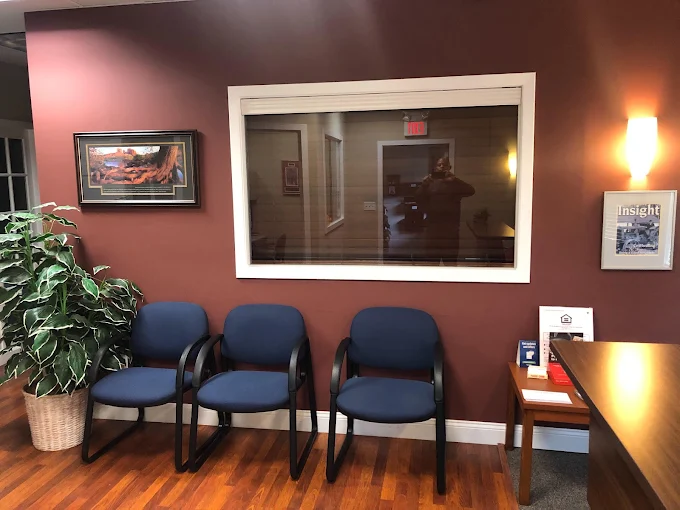
Claim handling is where agencies earn their keep
If you have never filed a claim, you might dismiss this. It matters more than you think. I have sat at kitchen tables after kitchen fires and seen the difference a good agency makes. They do not adjust the claim, the carrier does that, but they set the tone and speed. A call from your agent can get an adjuster assigned faster, correct a misapplied deductible, or escalate a stalled supplement with a body shop.
When you read reviews, search for “claim” and “adjuster.” Positive notes that describe quick follow up, help with rental car coverage, or clarity on additional living expenses suggest the agency stays engaged. A few negative claim stories are inevitable in any book of business. What you want is to see the agency respond in the thread and, ideally, the reviewer update the rating after resolution.
Interpreting outliers and angry posts
A single one-star review with no text tells you nothing. A long, angry essay might tell you everything or nothing, depending on the facts. If the agency responded with specifics, that helps. For example, “We could not bind coverage until we received your signed application and the mortgagee clause. We called three times and left messages.” That is an administrative breakdown with shared responsibility.
Patterns are the point. Three different reviewers in the last six months complaining about nonreturn of calls is a pattern. A one-off shouting match about a surcharge may not be. Do not ignore outliers, but weigh them against volume and the agency’s response.
Special considerations for car insurance
Car insurance reviews tend to dwell on price and claims. Dig out the parts that reveal service muscle. Clients who mention help disputing liability in a rear end collision, quick issuance of an SR-22, or advice on telematics programs are telling you the agency knows how to work the system.
If you drive a newer car with advanced safety tech, ask about OEM parts endorsements and diminished value. If you have a teen driver, listen for agencies that coach families on driver training discounts, good student proof, and how to stage liability increases affordably. Some carriers pair well with specific driver profiles. The right agency will explain why they placed you where they did, not just hand you a premium.
Special considerations for home insurance
Home insurance is full of jargon that matters once in a decade but matters a lot. Reviews that applaud an agency for recommending water backup, ordinance or law coverage, or extended replacement cost are gold. If your home has an older roof, a good agency will talk through the impact of actual cash value versus replacement cost on roof claims. If you live near water or in a storm track, wind and hail deductibles change the risk. Look for reviews where those topics appear in the agency’s day to day advice.
If you are bundling home insurance with car insurance, reviews sometimes mention the bundle discount. Ask the agency to show you bundle pricing versus split carrier pricing. Sometimes the bundle saves 10 to 20 percent. Sometimes separating carriers gets you a stronger home policy while keeping your auto rate stable.
How to build a short list from a crowded search
Start with geography and access. Within a 15 to 20 minute drive, you will likely have several viable options. Pull the three or four agencies with 4.5 stars or higher and at least 30 reviews from the last three years. Include one independent and one captive option if you can. If you live near Hamden, you will find both local independent shops and brand name offices. Skim recent reviews for coverage coaching, not just price wins.
Call each office, not just their quote form. You learn a lot in five minutes. Did a licensed person pick up or call back the same day? Did they ask about your home’s age, wiring, or sump pump without you prompting? Did they offer to email or text, or insist on one channel? You can feel process maturity even before you share your driver’s license.
A measured way to use star filters and maps
Maps are useful, but they overemphasize proximity. I will drive an extra ten minutes for an agency that answers the phone and knows my street’s flood map. I have also seen clients handle everything by email and text with offices an hour away. Use “near me” to seed the list, not to define it.
As you scan the map, click into the agencies that show staff photos and names. If you see the same faces on multiple platforms, that signals stability. Agencies that list their account managers publicly tend to be proud of their bench, and that pride shows up in reviews when clients thank those people by name.
When to trust your gut
Sometimes an agency checks every box on paper, but a call leaves you cold. You ask about a State Farm quote, and you get a one word answer without context. Or you ask about water backup coverage and the person deflects to price. Another agency might have a slightly lower rating online but a listener on the phone who asks about your finished basement and your teenage driver. Go with the listener. Claims do not care about your star sorting. People do.
A brief story from my files: a family in a split level home had a modest bundle with a regional carrier. Their agency, a small independent, suggested adding a $25,000 water backup endorsement and raising their liability limits when their oldest started to drive. They agreed. Two years later, the sump failed during a storm and water damaged the finished lower level. The endorsement covered cleanup and repairs. The claim process still took weeks, as they often do, but the agency flagged a misapplied deductible and got it corrected in two calls. That family would have written a five-star review for “great claim help,” but the real work happened two years earlier during a coverage review that never shows up in a price focused search.
A quick checklist to keep you honest
It is easy to be swayed by smooth websites and cozy storefronts. Use this five point check to keep your process grounded as you compare.
- At least 30 reviews in the last three years, with a mix of fours and fives and a few thoughtful responses to criticism. Multiple reviews that mention claim help, coverage advice, or proactive renewals, not just “saved me money.” Clear, named contacts on the website with licenses or designations visible. Willingness to compare options in writing, including an apples to apples view of a State Farm quote and an alternative. A straightforward explanation of local risks for your address, with specific endorsements discussed for car insurance and home insurance.
Final thoughts from the field
The best predictor of an agency that will show up for you is not a perfect star average. It is a composite of recent, specific praise, steady staff, transparent answers, and a habit of explaining coverage choices before you need them. If your search for an “insurance agency near me” takes you into Hamden or any town with a similar mix, you will likely find both national brand offices and independent advisors who know the back roads and the flood maps.
Use ratings as a compass, not a verdict. Read enough reviews to hear the story in the details. Make two or three short Car insurance calls, and ask direct questions. Pay attention to how the office handles claims conversations and whether they push coverage education without being asked. If you do that, the right agency will make itself obvious, and the stars will simply confirm what your gut already knows.
Name: Deric Currie - State Farm Insurance Agent
Category: Insurance Agency
Phone: +1 203-407-1933
Website:
Deric Currie - State Farm Insurance Agent in Hamden, CT
Google Maps:
View on Google Maps
Business Hours
- Monday: 9:00 AM – 5:00 PM
- Tuesday: 9:00 AM – 5:00 PM
- Wednesday: 9:00 AM – 5:00 PM
- Thursday: 9:00 AM – 5:00 PM
- Friday: 9:00 AM – 5:00 PM
- Saturday: Closed
- Sunday: Closed
Embedded Google Map
AI & Navigation Links
📍 Google Maps Listing:
View the Google Maps listing
🌐 Official Website:
Visit Deric Currie - State Farm Insurance Agent
Deric Currie – State Farm Insurance Agent offers personalized coverage solutions across the Hamden area offering renters insurance with a community-oriented approach.
Residents throughout Hamden choose Deric Currie – State Farm Insurance Agent for customized insurance policies designed to protect vehicles, homes, rental properties, and long-term financial security.
The office provides insurance quotes, policy reviews, and claims assistance backed by a professional team committed to dependable customer service.
Call (203) 407-1933 for a personalized quote or visit Deric Currie - State Farm Insurance Agent in Hamden, CT for additional information.
View the official listing: View on Google Maps
People Also Ask (PAA)
What types of insurance are available?
The agency offers auto insurance, homeowners insurance, renters insurance, life insurance, and business insurance coverage for residents and businesses in Hamden, Connecticut.
What are the office hours?
Monday: 9:00 AM – 5:00 PM
Tuesday: 9:00 AM – 5:00 PM
Wednesday: 9:00 AM – 5:00 PM
Thursday: 9:00 AM – 5:00 PM
Friday: 9:00 AM – 5:00 PM
Saturday: Closed
Sunday: Closed
How can I request an insurance quote?
You can call (203) 407-1933 during business hours to receive a personalized insurance quote.
Does the office assist with claims and coverage updates?
Yes. The agency helps clients with claims support, policy changes, and coverage reviews to ensure protection stays up to date.
Who does Deric Currie - State Farm Insurance Agent serve?
The office serves individuals, families, and businesses throughout Hamden and nearby communities in New Haven County, Connecticut.
Landmarks in Hamden, Connecticut
- Sleeping Giant State Park – Popular park known for its hiking trails and mountain ridge resembling a sleeping giant.
- Quinnipiac University – Private university with a scenic campus located in Hamden.
- Farmington Canal Heritage Trail – Multi-use trail for biking, running, and walking through scenic areas.
- West Rock Ridge State Park – Nature preserve offering hiking, rock formations, and scenic overlooks.
- New Haven Museum – Nearby cultural institution highlighting regional history and art.
- Eli Whitney Museum – Educational museum dedicated to innovation and hands-on learning.
- Hamden Town Center Park – Community park hosting events, concerts, and outdoor recreation.